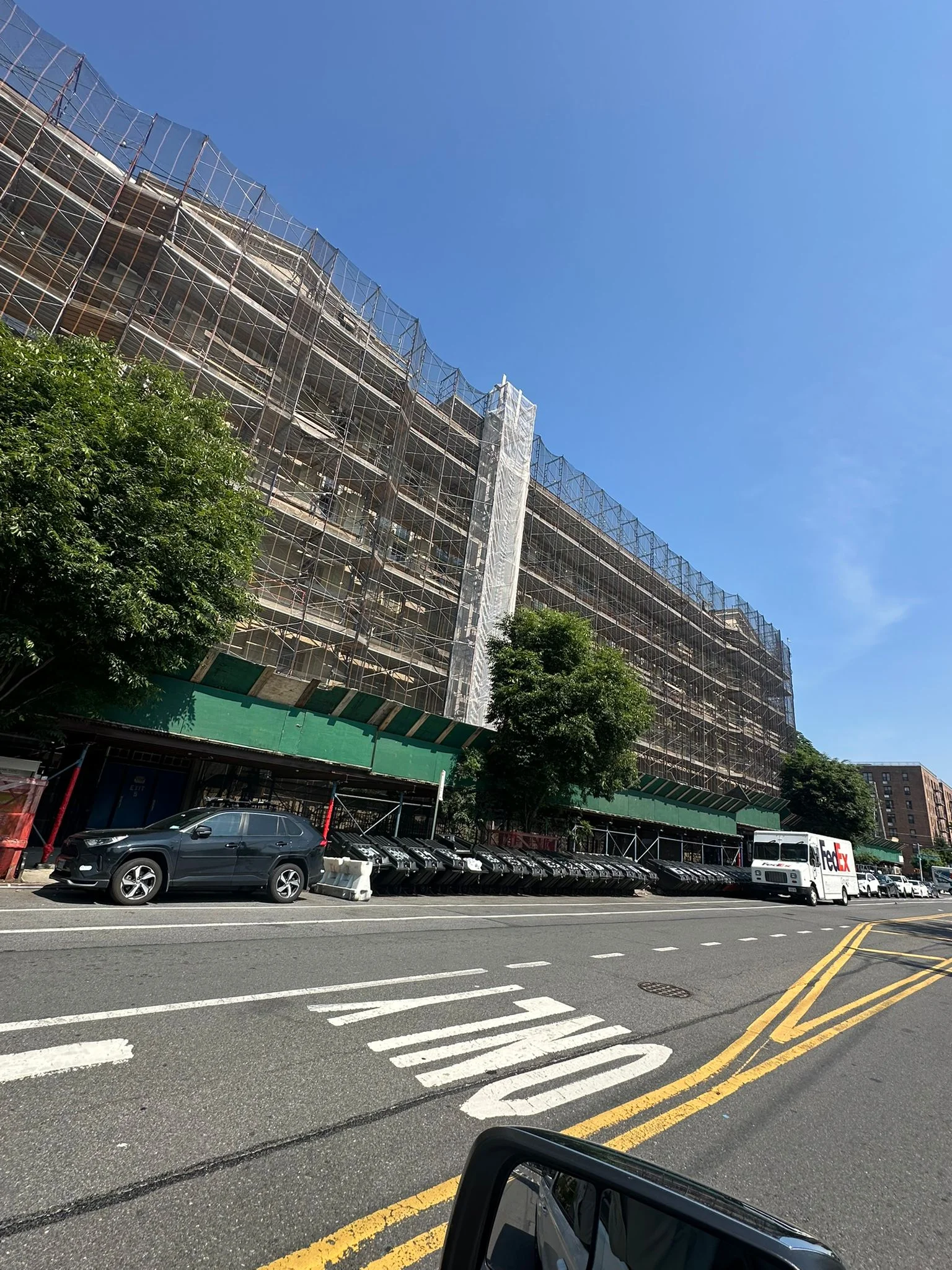
If you’ve ever walked through Manhattan’s construction zones, you’ve likely seen scaffolding lining streets and towering facades. These structures are critical workspaces where lives depend on adherence to safety standards. Scaffolding safety and compliance in New York City are legally required. It’s essential for protecting workers, pedestrians, and property.
Navigating safety requirements can feel like a maze. On one side, you have OSHA, which is the federal standard for worker protection. On the other hand, the NYC Department of Buildings (DOB) enforces local building codes, permits, and public safety measures.
Understanding both and how they interact is crucial for contractors, building owners, and site managers. In this guide, we’ll look at the rules, practical steps, and real-world scenarios to ensure compliance and prevent accidents.
Why Scaffolding Safety Matters?
Scaffolds are inherently risky. OSHA statistics reveal that falls from scaffolding are among the leading causes of construction fatalities. Beyond human tragedy, non-compliance can result in:
- Stop-work orders
- Fines
- Lawsuits
- Project delays
In New York City, the stakes are even higher. With crowded streets, pedestrians, and high-rise projects, a single misstep can affect workers and the public. Safety is a huge responsibility.
Think about a sidewalk shed above a busy street. If improperly installed, it could collapse, causing injuries and massive liability. Scaffolding safety helps prevent such accidents while maintaining workflow efficiency.
OSHA Scaffolding Standards: Federal Requirements for Worker Safety
The Occupational Safety and Health Administration (OSHA) sets the nationwide standard for scaffolding safety, primarily under 29 CFR 1926 Subpart L. These rules are non-negotiable and apply to all construction sites, including NYC.
Key OSHA Requirements:
- Load Capacity: Scaffolds must support four times the maximum intended load to prevent collapse. Overloading is a leading cause of scaffold failures.
- Guardrails and Fall Protection: Any platform more than 10 feet above a lower level must be equipped with guardrails, toeboards, or personal fall arrest systems.
- Platform Construction: Planks must be fully decked with minimal gaps and remain stable under load. Warped or damaged planks are prohibited.
- Training and Competent Person: Employers must ensure workers are trained to recognize hazards. A competent person must oversee the erection, inspection, and maintenance of scaffolds.
- Inspections: Daily inspections before each shift, and after events like strong winds or heavy rainfall, are mandatory to identify hazards before workers step onto the scaffold.
Example: On a NYC high-rise project, a competent person notices a plank sagging during the daily inspection. Correcting it immediately prevents a potential fall. It’s a simple check that could save lives.
NYC DOB Scaffold Regulations: Local Codes
While OSHA protects workers, the NYC Department of Buildings (DOB) focuses on public safety and code compliance. NYC’s Building Code, Chapter 33, sets rules for scaffolds that affect sidewalks, streets, and buildings.
When DOB Permits Are Required?
- Sidewalk Sheds: These protective walkways are mandatory when work could drop debris onto public sidewalks.
- Supported Scaffolds Over 40 Feet: Any scaffold exceeding this height generally requires a DOB permit.
- Suspended Scaffolds: Certain suspended scaffolds require special permits or inspections to ensure public safety.
Even if a scaffold doesn’t require a permit, DOB codes mandate that it be structurally sound, secured, and safe for both workers and the public. Non-compliance can lead to fines, work stoppages, and potential lawsuits.
Public Protection: Sidewalk Sheds and Safety
NYC is unique because pedestrians are everywhere. Sidewalk sheds must be:
- Structurally sound and capable of supporting loads from falling debris.
- Well-lit for nighttime safety.
- Regularly inspected to maintain integrity.
The city has recently updated shed regulations to improve durability, reduce long-term sidewalk obstruction, and enhance safety inspections. Contractors must stay up to date to avoid penalties.
Integrating OSHA and DOB Compliance
The challenge for NYC projects is aligning OSHA worker safety with DOB public protection rules:
- DOB Focus: Structural integrity, permits, pedestrian protection, and public notifications.
- OSHA Focus: Worker safety, fall protection, training, load capacities, and inspections.
Successful projects integrate both: scaffolds are built to be strong enough to protect the public while meeting OSHA standards to keep workers safe. This alignment reduces legal exposure and fosters a safety culture on-site.
Conclusion
Scaffolding safety in New York City is a serious responsibility that combines worker protection, public safety, and legal compliance. By understanding and applying OSHA standards alongside DOB regulations, contractors, building owners, and site managers can create safe, efficient, and compliant workspaces.
Remember, scaffolding compliance isn’t just about avoiding fines — it’s about preventing accidents, protecting lives, and maintaining trust in your work.
Actionable Advice: Audit your current scaffolding practices today. Ensure every structure is permitted, inspected, and meets both OSHA and DOB standards. Protect your workers, the public, and your project’s reputation.
Contact our team for project consultation today.
Recommended Site
February 28, 2026Nice post. I learn something totally new and challenging on websites I stumbleupon every
day. It will always be exciting to read articles from
other writers and practice a little something from other sites.
Hacklink Satın Al
March 21, 2026Hacklink satın al, siteni arama motorlarına sevdir. Doğal anchor text dağılımı ve white-hat uyumlu link inşası. 7517
📊 +1.81919259151 Вitсоin Sign In ⇰ telegra.ph/Blockchaincom-03-17?hs=18eebf1e87b9f7e858886d3088e80155& 📊
March 28, 2026s37rb6